This case study evaluates the financial performance of a multi-unit property composed of 5 studios that operated under two distinct models: a mixed PadSplit and Airbnb strategy (non-FIBI operations), and an optimized short-term rental (STR) model managed by FIBI Vacation Rentals. The analysis spans from December 1, 2022, through July 31, 2025. The findings demonstrate that FIBI Vacation Rentals delivered a 26% increase in Net Operating Income (NOI) compared to prior operations.
Through a $5,000 budget dedicated to unit design, amenities, and outdoor space upgrades, FIBI optimized occupancy and operational efficiency, achieving superior revenue and NOI outcomes.
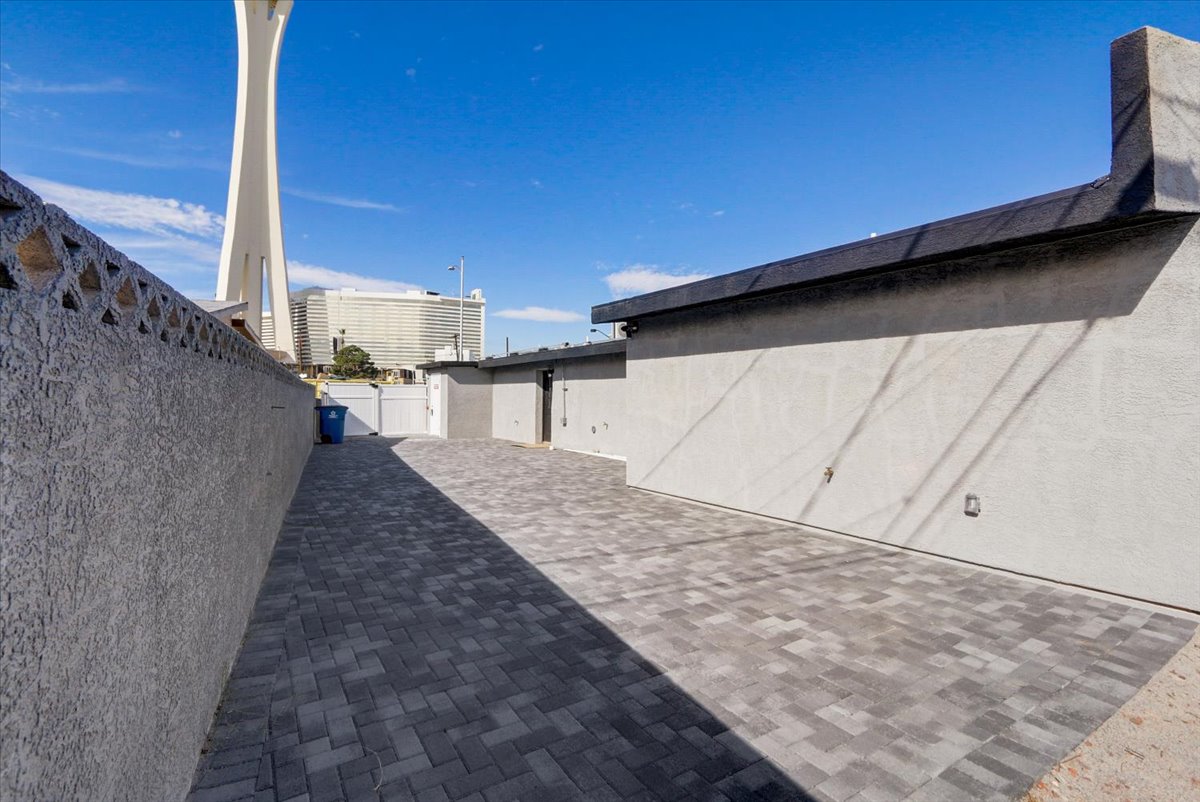
The subject property is a small multi-unit building located a few blocks off Las Vegas Blvd. Purchased in mid-2022 and converted from an office building into 5 studio units, the new owners initially pursued a hybrid strategy, filling units via both PadSplit tenants and Airbnb guests. This strategy began hosting tenants and guests, and generating revenues in December 2022 and was the primary strategy through January 2024.
In February 2024, FIBI Vacation Rentals assumed management, transitioning the property to an STR-only model with a focus on maximizing revenue per unit, improving guest experience, and streamlining operating expenses.
The data for this study is derived from the attached workbook: Profit and Cash Flow Analysis. Key rows of the spreadsheet capture financial details:
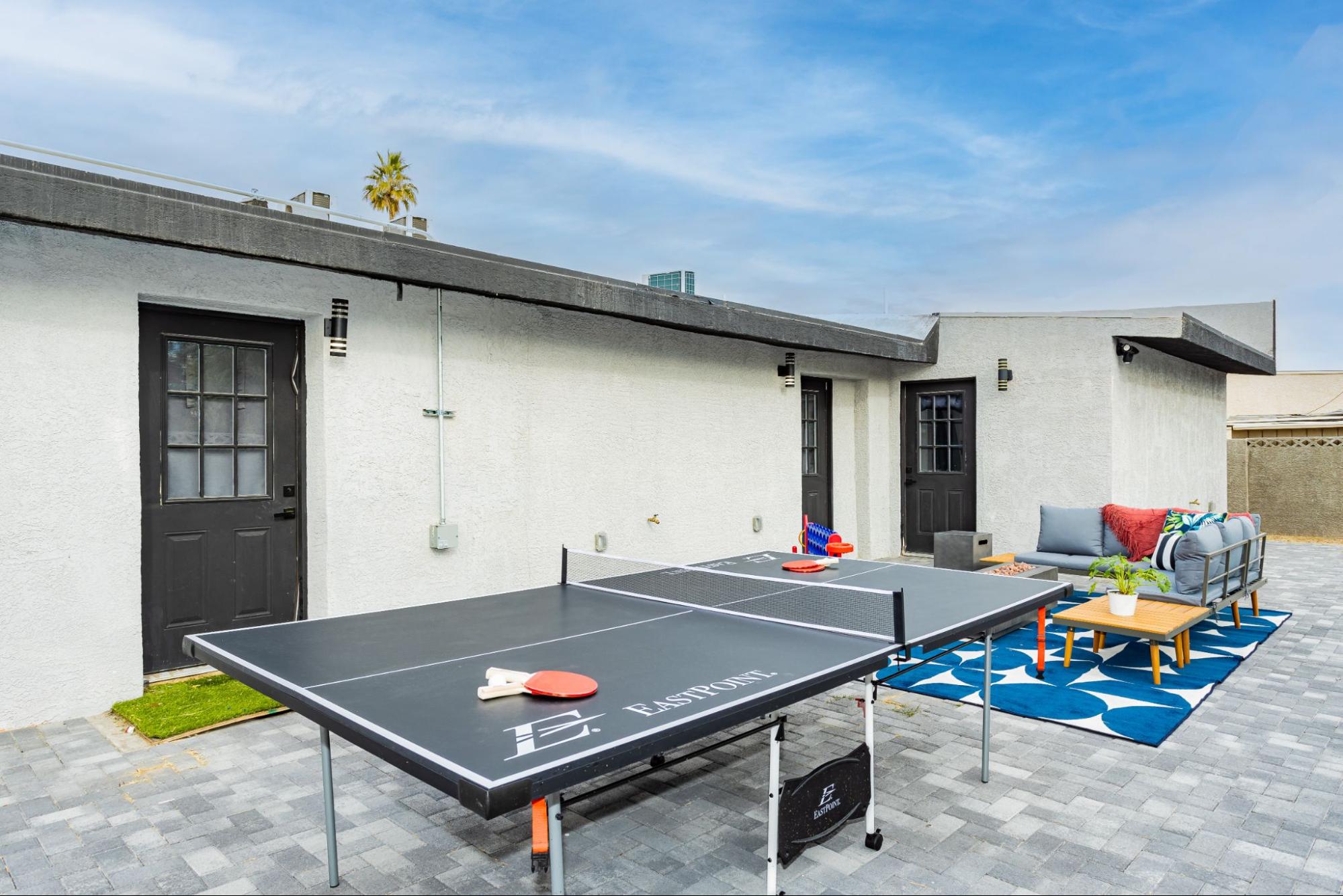
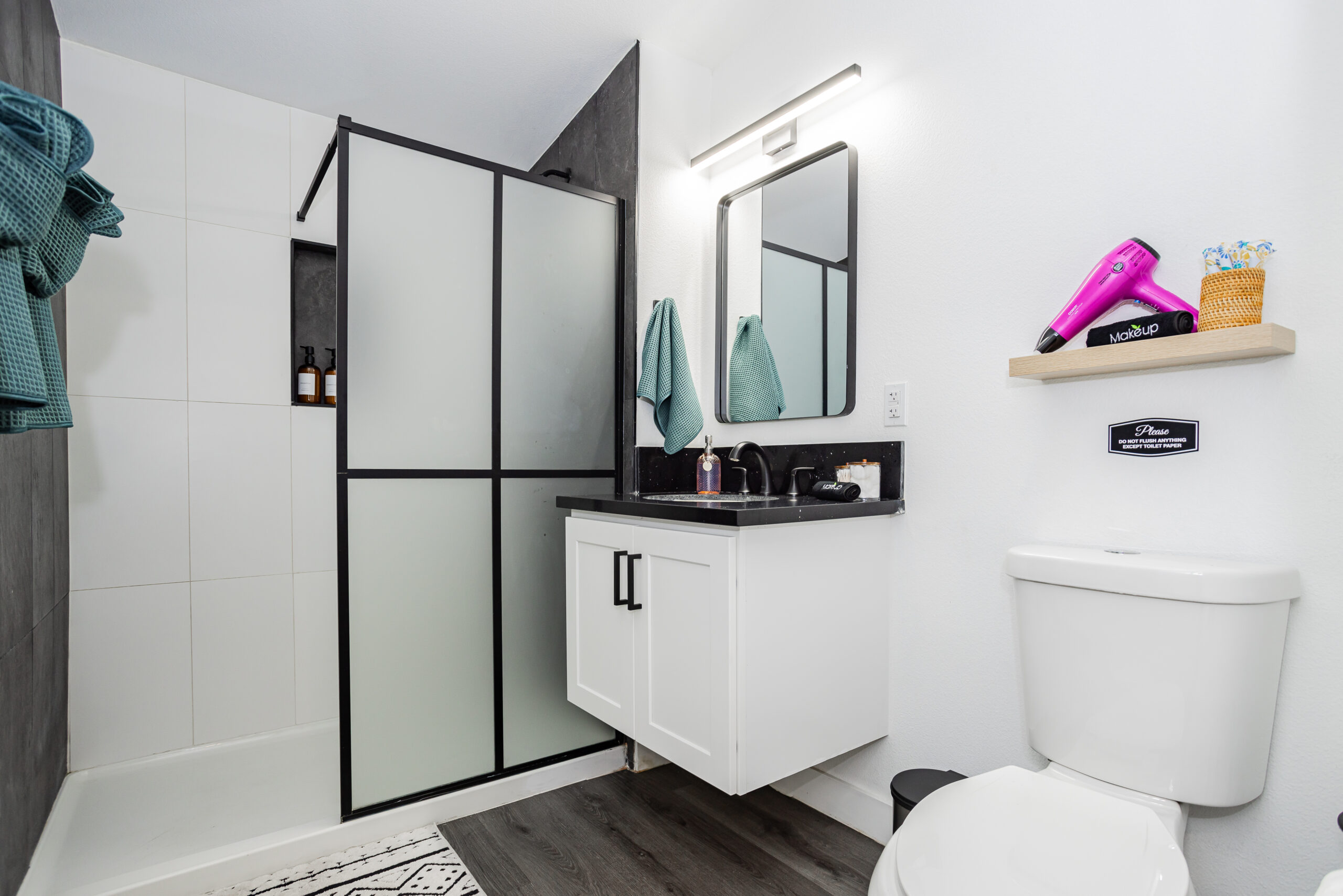
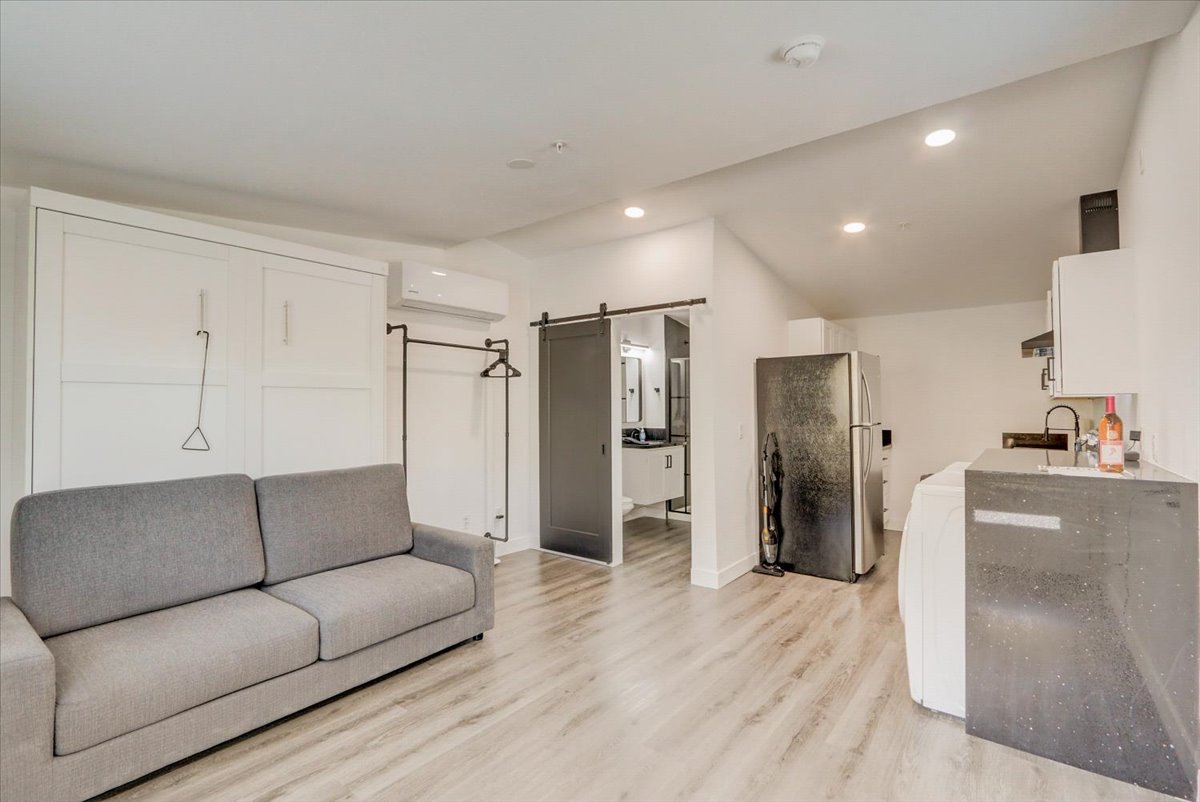
FIBI Vacation Rentals deployed a targeted $5,000 improvement plan focused on: – Interior Design: Bold accent walls, coordinated bedding, and updated furniture. – Amenities: Upgraded bathroom supplies, modern fixtures, and enhanced guest comfort items. – Outdoor Space: Added functional amenities beyond a single grill to create a more inviting communal area.
The following images showcase the updated design and guest-ready presentation of the property:
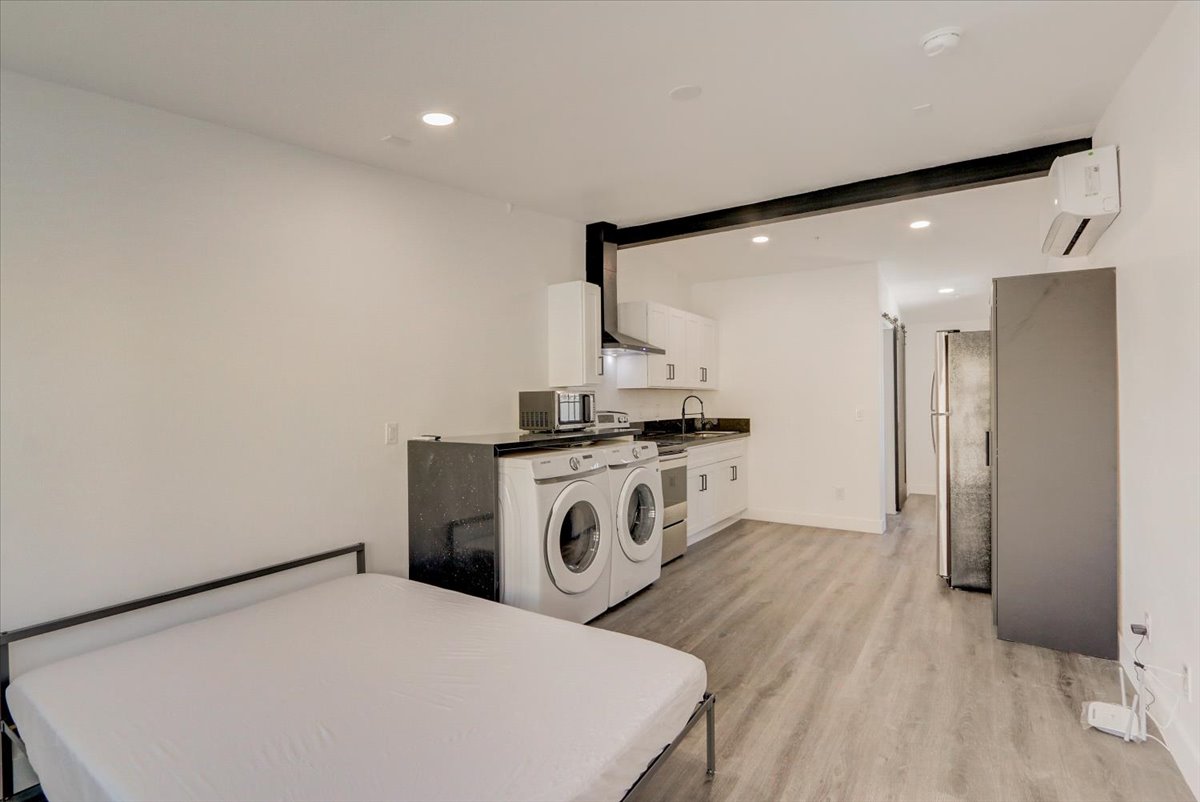
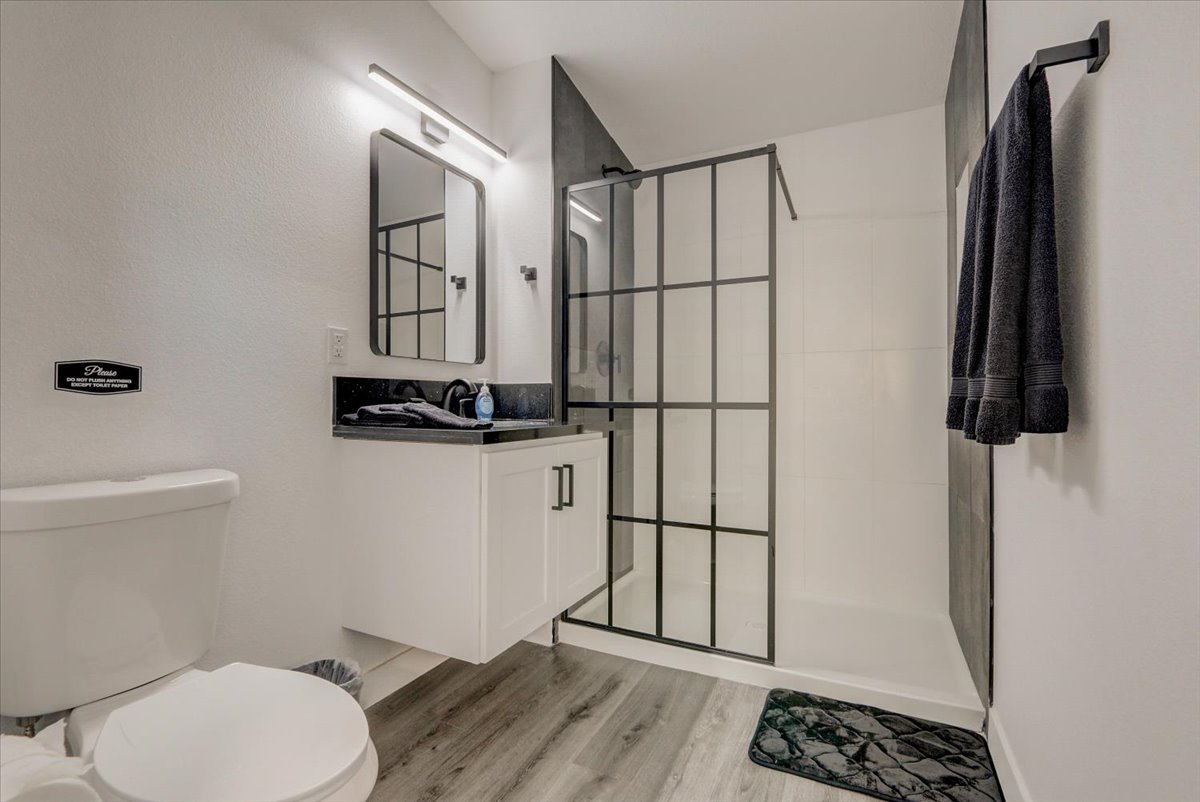
By narrowing our operational focus from serving two demographics (workforce housing and transient guests) to solely focusing on short-term rentals (STR), we achieved greater leverage than attempting both. This aligns with the adage, “You can half-ass two things or whole-ass one.” This is one key takeaway. Another key takeaway is The PadSplit model might have been more successful had it been the original sole focus; however, PadSplit tenants were by far the predominant archetype, as Airbnb revenue only accounted for 30% of the non-FIBI income. The property was poorly set up for STR and was only used as “filler” between longer-term PadSplit tenants. Therefore, even if we were to compare PadSplit only to Airbnb, it’s hard to imagine that the absence of Airbnb guests would have yielded more PadSplit income, as the units were often vacant and in need of a rent-paying occupant during the times they were filled with transient guests. As such, the income differential between STR and PadSplit is even more amplified given this context. Specifically, STR is a clear winner in terms of revenue and profit over PadSplit in this particular instance, given its proximity to a downtown corridor. In other parts of town, the outcome could be the reverse; it’s difficult to know for sure. However, this case study has implications for any multi-unit asset located in or close to a downtown corridor.